
The methods behind
the findings
Diligence is only worth what its method is worth. A finding you cannot interrogate is a finding you have to take on trust, which is precisely what we are engaged to avoid.
So the approaches we use are written out here in full: what each one does, what evidence it draws on, what it will not tell you, and where the open trail ends. Read them and judge the work before you commission it.


Method
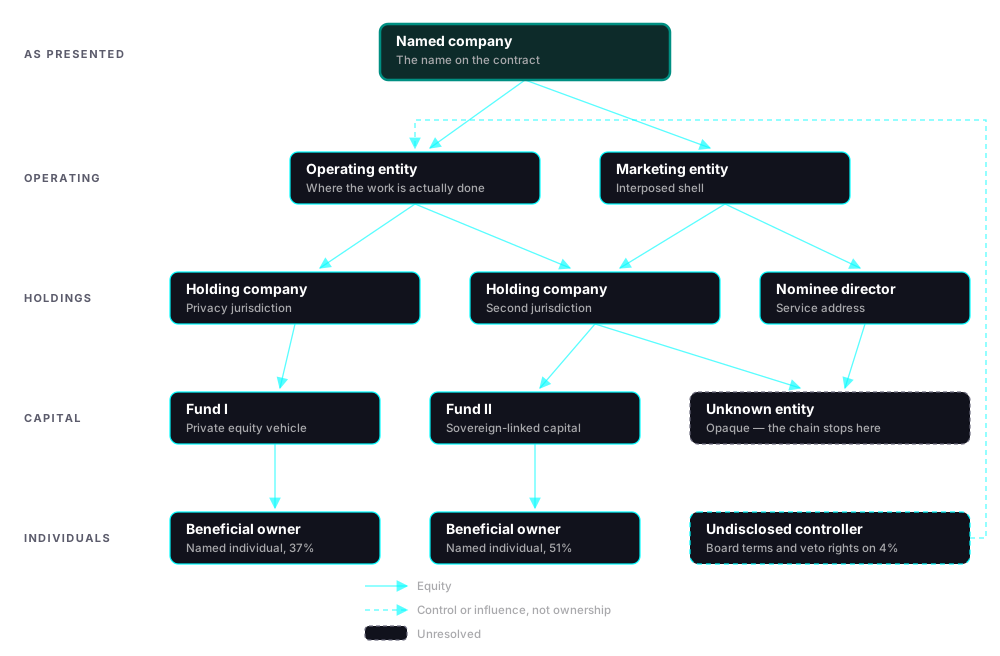
Equity Chain Mapping
Resolving who really owns, controls, and influences a corporate network that has been built not to answer the question, and then following the dependencies running the other way.
Entity resolution, ownership and control, adjacency, and derogatory checks, applied at every node and repeated against everything they surface. Concealment is layered by design, so a single-layer inquiry is defeated by interposing a single additional entity. The write-up covers the full cycle, the two axes it runs along, the three principles that separate it from compliance screening, what the work product looks like, and, at equal length, what the method cannot see.

Method
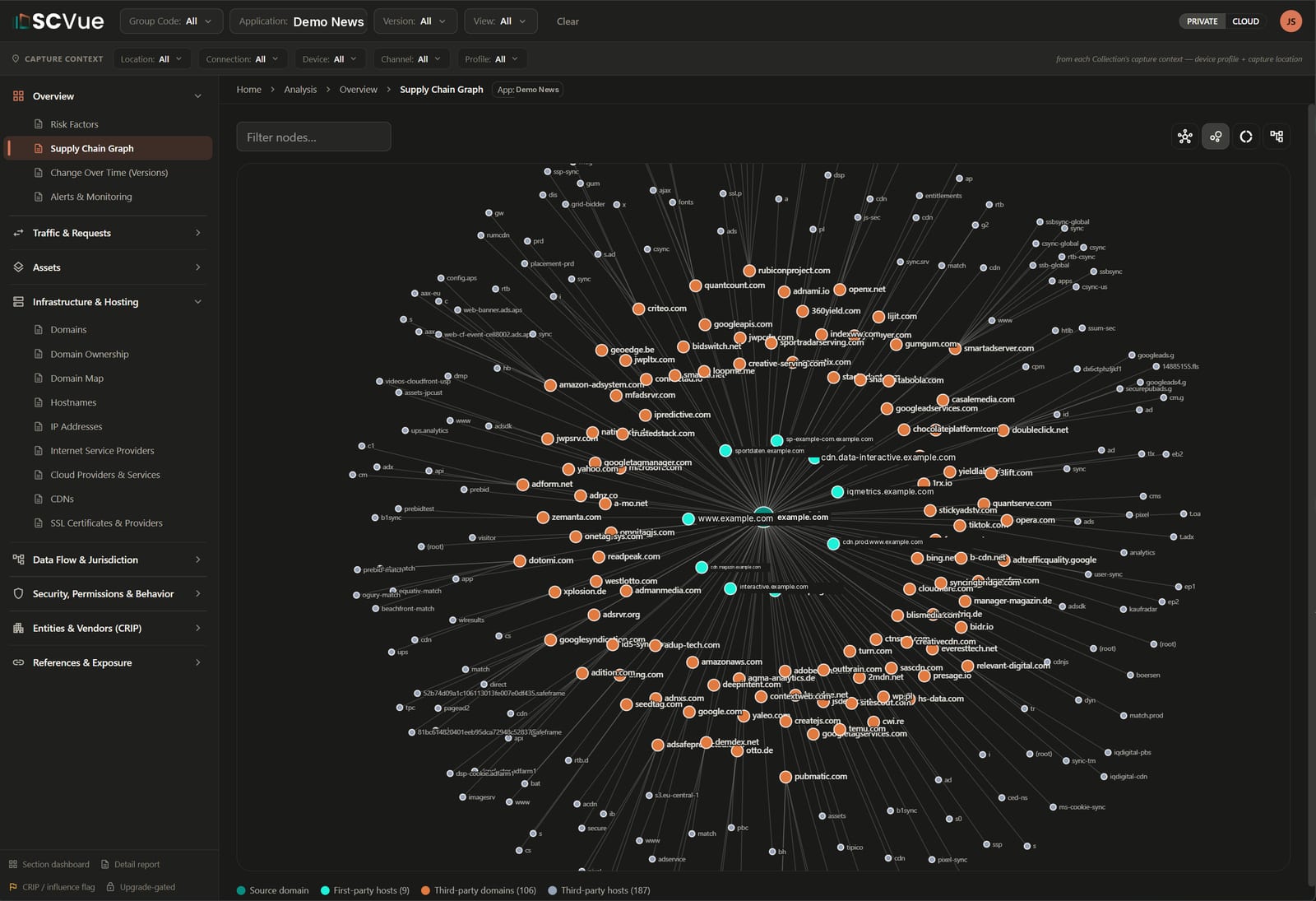
Digital Supply Chain
The internet is not merely served by supply chains. It is one, the largest and least examined ever built, and the providers an application genuinely depends on can be established from evidence rather than taken from a vendor list.
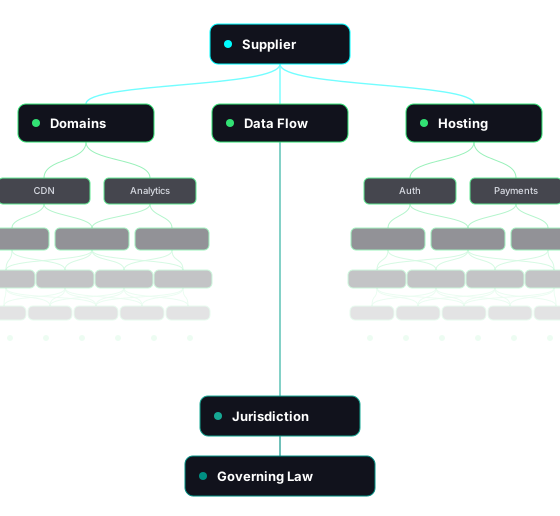
Four write-ups sit under this heading: what the chain is actually made of, layer by layer; how control over a piece of it changes hands without leaving any technical trace, with the documented cases and the interval before anyone noticed; what the standards and tools already in use do and do not cover; and the method that maps it, which is capture, resolution, attribution, and reconciliation, repeated against every provider the evidence surfaces. As with the other methods, what it cannot see is written out at the same length as what it can.
Ask About the Work Directly
A briefing walks through the method against something you already care about, such as a supplier, a counterparty, an application, or a capital structure, rather than in the abstract.
Request a
Briefing
We walk through real-world use cases drawn from active engagements that demonstrate why supply chain integrity now requires senior-level attention and coordinated action.

Subscribe to stay informed on global supply chain integrity developments and nDiligence updates.
Copyright © 2026 nDiligence, Inc. All Rights Reserved.